

A few years ago, I wrote that happiness isn’t geographical — and then immediately admitted I was wrong. We went 2,900 miles to find it. Here’s what happened next.
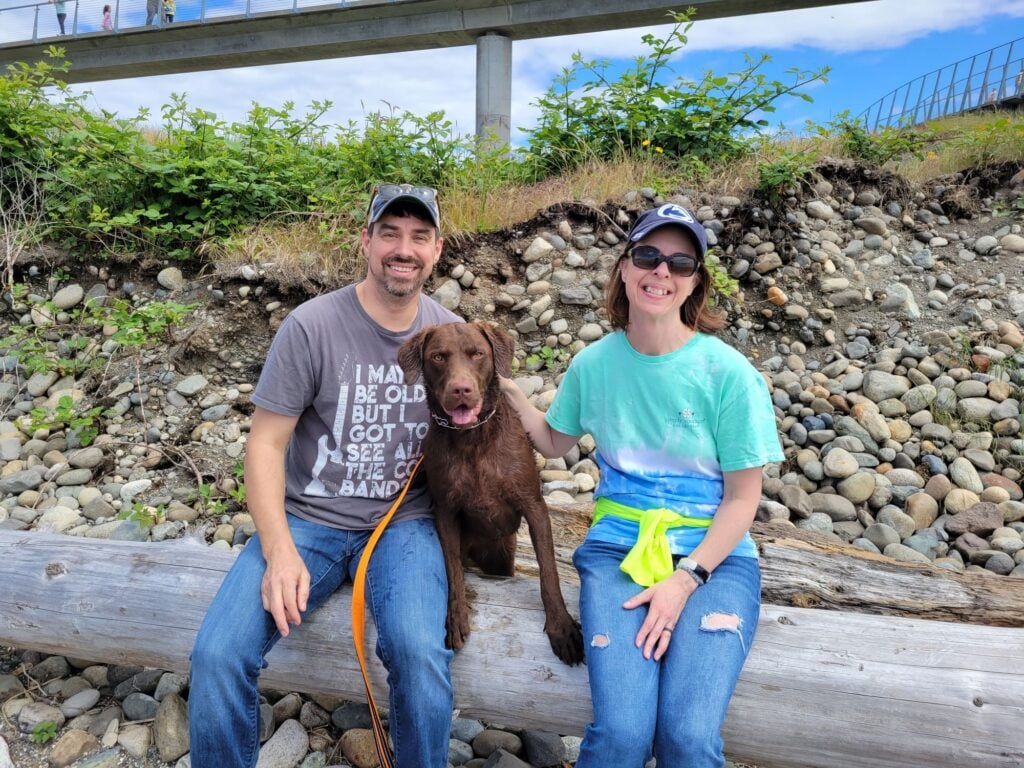
In May of 2022, Jason and I packed everything we owned into a 15-foot U-Haul and a Ford F-150 towing a fishing boat and drove across the country to Washington state. We wrote about it here — the why, the hope, the excitement of a new chapter in the Pacific Northwest. We were chasing something real: a balanced and more intentional life after too many years of summers lost to work.
We gave it three years.
And last December, we left.
I want to be honest about why. My goal isn’t to relitigate every frustration or cast Washington as the villain in our story, because it isn’t.
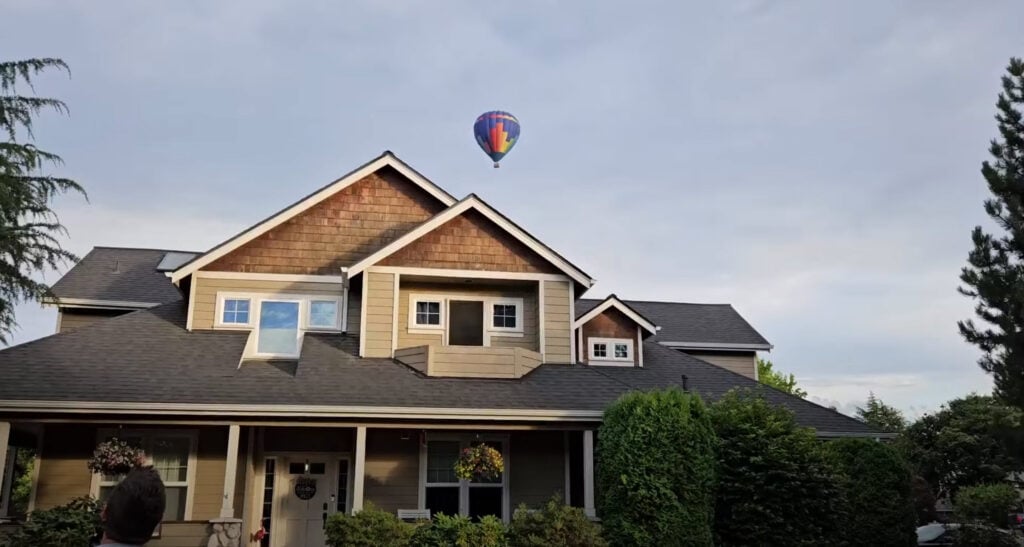
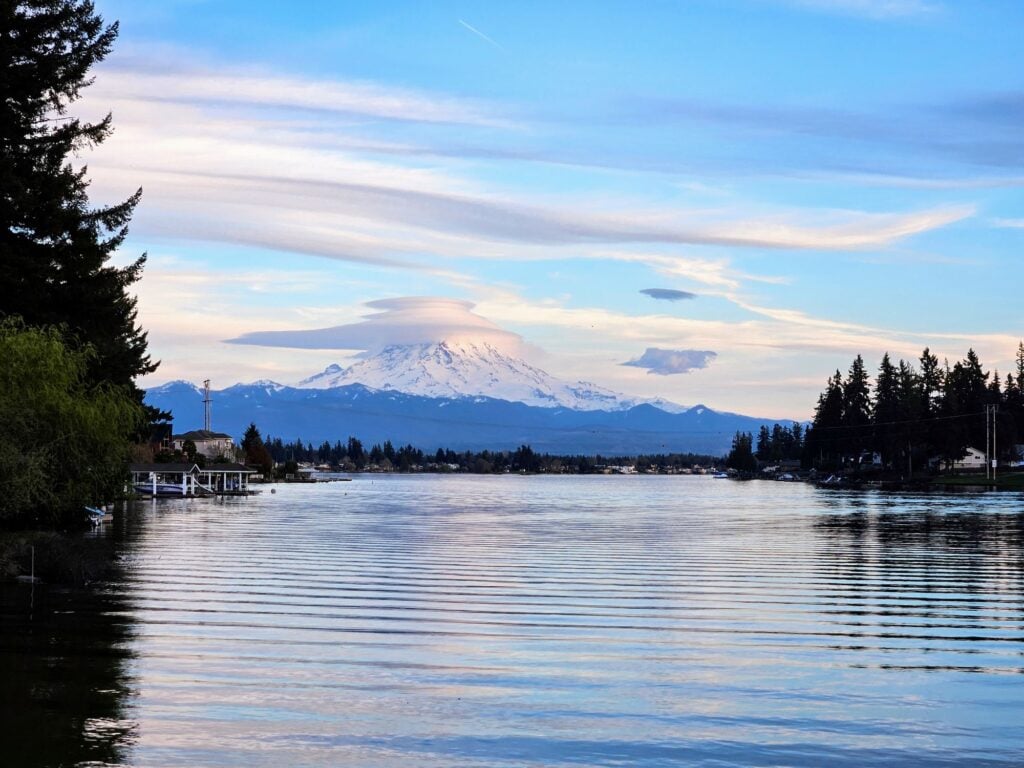
There was genuine good in those three years. We made friends we’ll carry with us forever. We watched Mount Rainier turn pink at sunset more times than I can count. Jason found a career opportunity at Boeing that genuinely changed our financial trajectory. We had summers without humidity, some outdoor adventures, hot-air balloons over our neighborhood, and a yard that bloomed so beautifully every spring that it almost made you forget everything else.
Almost.
It Was Just So Expensive
I don’t know how else to say it. Everything cost more than we expected, more than felt reasonable — and we had the foresight to know it wasn’t going to change.
I heard a podcaster say recently that a $150,000 income feels tight for a family in Seattle. We were 35 miles southeast in Bonney Lake, so we had it somewhat better — but not by as much as you’d think. He wasn’t wrong.
The state minimum wage is $17.13 an hour (Seattle is $21.30/hr), which sounds generous until you realize that means a meal at McDonald’s or Subway for two runs $35–$40. Applebee’s or Red Robin was reliably a $65–$75 bill for us. Homeowner’s insurance was $2,800 a year. We carried umbrella insurance on top of that. Car insurance: $3,180 a year. Want to go to a Mariners or Kraken game? Budget anywhere from $84 to $200+ per ticket, then another $75–$100 just to park the car. Every home improvement we attempted cost far more than we anticipated. Then slap anywhere from 8.1% to over 10% sales tax on top of that.
Some of that was us — me, specifically, not always knowing what things actually cost. But most of it was just… where we lived.
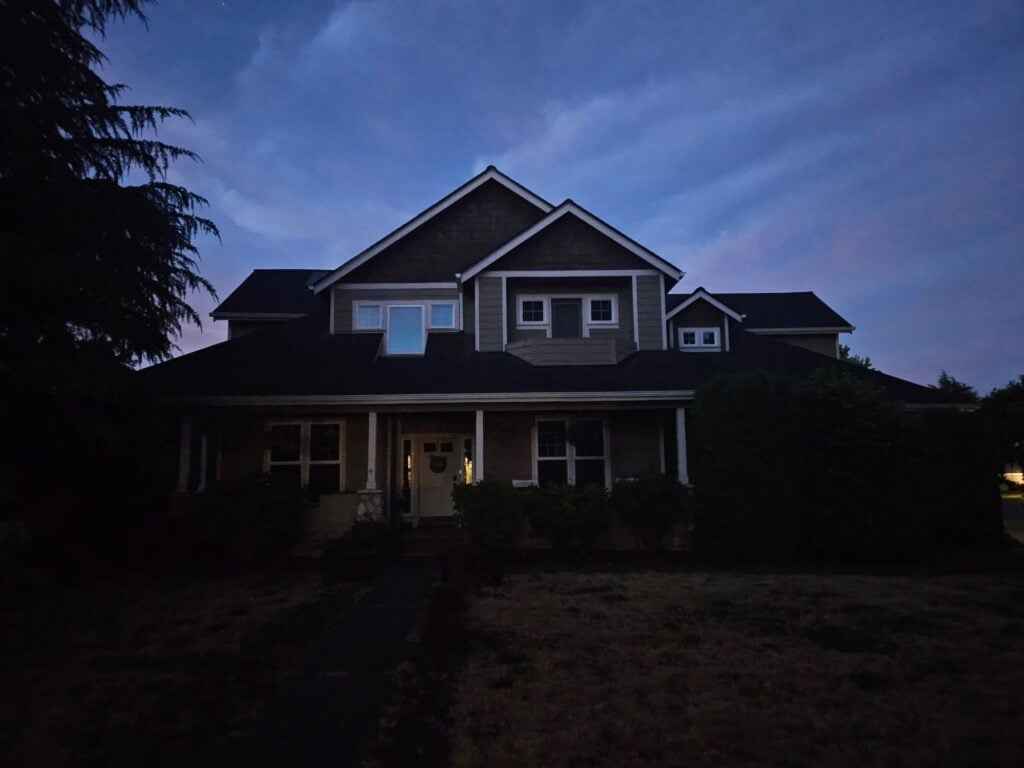
We chose our house intentionally. We chose space over price, a big yard, and an easier, no I-5 commute for Jason. I don’t regret that choice. But the cumulative weight of the cost of everything else made it hard to feel like we were getting anywhere.
The Life We Thought We'd Have
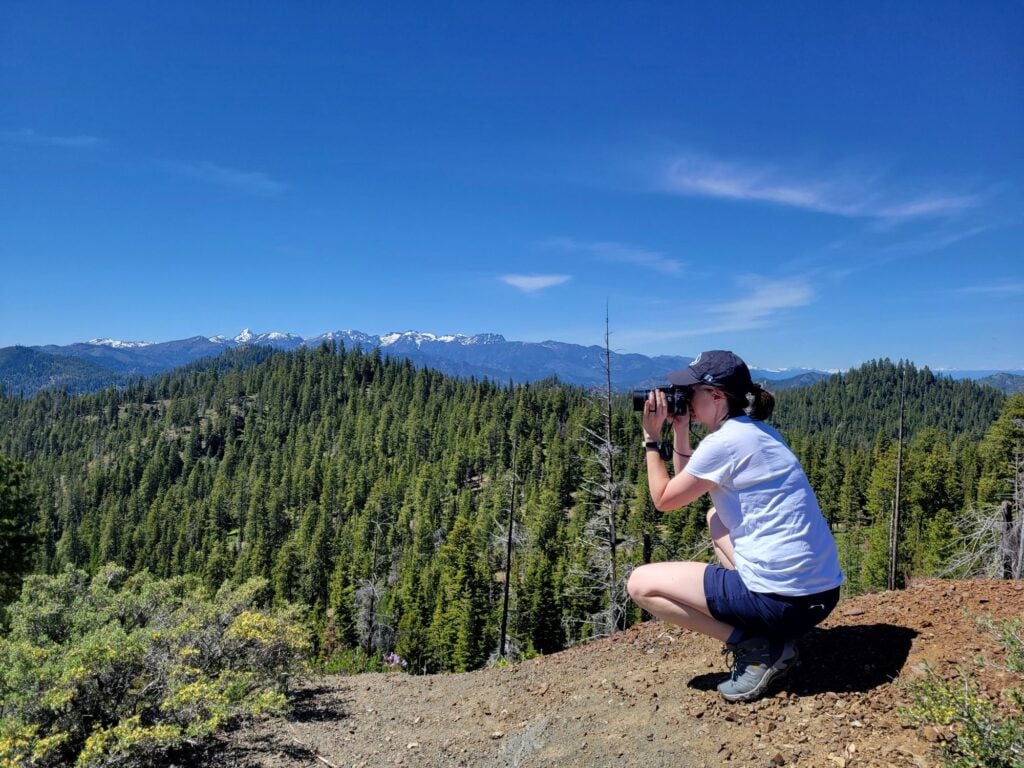
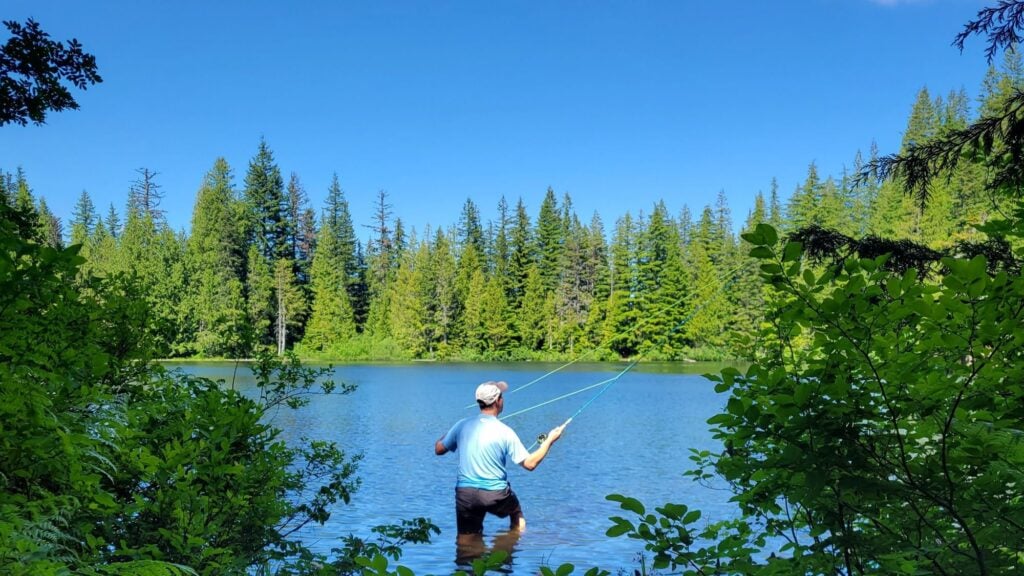
Here’s the part that stings a little to admit: we moved to Washington to fish, hike, and go on outdoor adventures regularly. And then even with the best intentions, we quietly and slowly stopped doing those things.
Traffic was a bigger factor than we ever anticipated. Jason’s commute was 8 miles and took anywhere from 25 to 45 minutes. A grocery run — 5 miles away — was never less than 15 minutes each way. Even grabbing pizza felt like a production. After five days of that, the last thing we wanted to do on a Saturday was get back in the car and fight it all over again.
Fishing was crowded. I still think about the Sunday we launched the boat at Rodondo for salmon fishing, and Puget Sound was covered wall to wall with boats as far as you could see. Jason had to park nearly a half mile away because the lot was full.
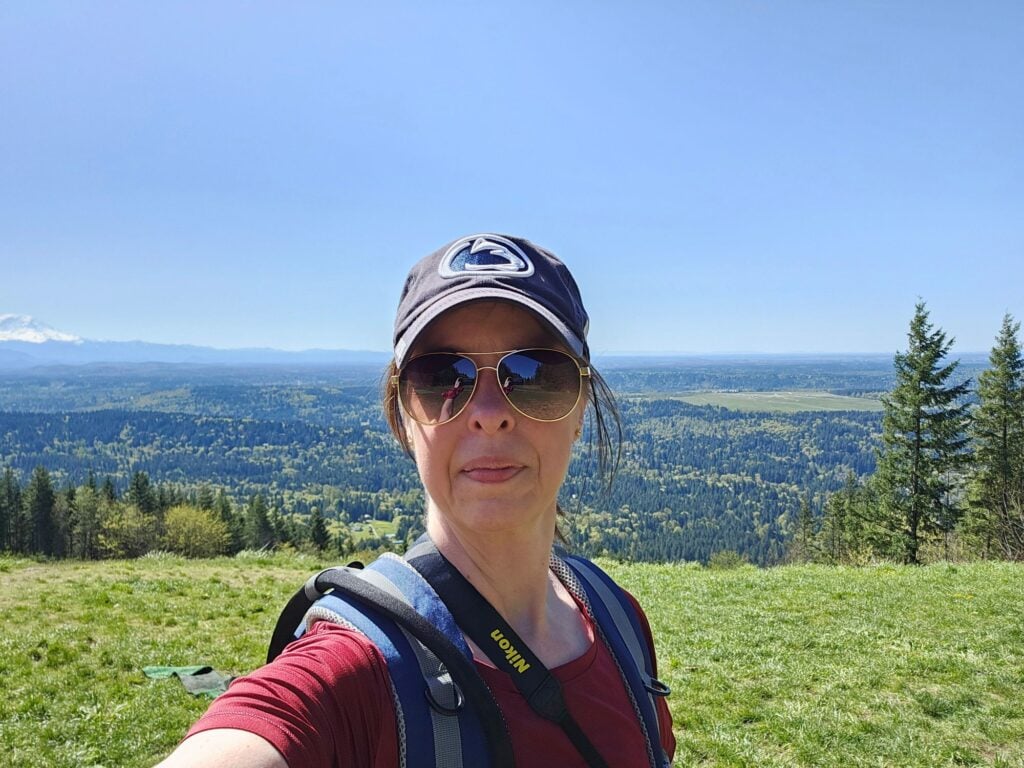
Once, I went on a hike with a few ladies I knew “loosely.” They were kind enough to let me tag along on a Friday morning hike. We got to the trailhead at 10 AM, and the trailhead lot was already full; dozens of cars were parked along the road, but these ladies didn’t seem fazed. “It’s just how it is,” they said.
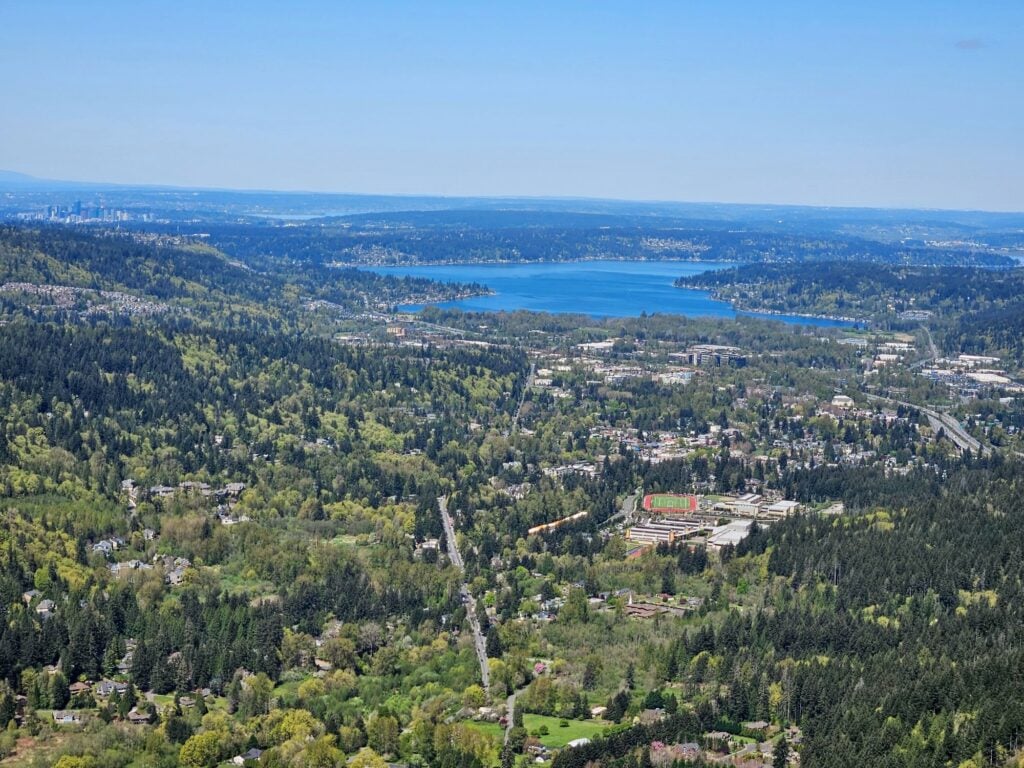
So we started up the trail to Poo-Poo Point, a 3.8-mile hike with 1,850 feet of elevation gain that’s famous for watching paragliders soar over Lake Sammamish. There were trains of people going up and down the trail, blaring their Bluetooth speakers attached to their CamelBaks. I kept thinking, “This isn’t what I was seeking when we moved out here.”
Everything felt harder than it needed to be.
The Retirement Reckoning
The most important conversation we ever had about Washington didn’t happen before we moved there. It happened less than a year after we arrived — the day Jason came home from work and said, quietly, “We cannot stay here. It’s too expensive to ever retire.”
I almost crumbled. Because he was right, and all I could think was: we just got here.
We hadn’t done the long-game math before we moved. We were caught up in the possibility of the place, the proximity to family, the promise of the life we’d planned.
It wasn’t until we started working with our financial advisor, Eric, that we became really aware of what staying in Washington long-term would cost us — not just monthly, but in decades. We weren’t drowning. But we were facing a choice that felt increasingly impossible: enjoy life now — which is the whole point of Beyond the Grind Life — or sacrifice the present to save aggressively for the future. Washington was forcing us to pick one. We couldn’t figure out how to do both.
And underneath that was a deep-rooted fear: we’d watched people spend decades working and saving and deferring joy, only to retire and never really get to live it. We didn’t want that to be us. We didn’t want to work until we are 70 because we have to. That’s not what we want life to look like.
So we knew, not even a year in, that we’d eventually need to leave. We just didn’t know when.
What if we left sooner?
Then last spring — May of 2025 — he came home again and asked a different question: “What if we left sooner than retirement?”
His thinking was straightforward. We were still relatively young. If we were going to face another move, better to do it while it’s easier on us physically and logistically. Yes, we might take a hit on the house. But if we could reduce our cost of living now, while we were still working, we could make the financial leaps we’d been unable to make in Washington — not to stockpile money, but to feel genuinely confident about retiring.
We brought the idea to Eric in August. He confirmed it entirely. Yes, this makes sense — even if you have to take a financial hit to get it done.
We didn’t know where we were going yet. We just knew we could start looking.
The Things I Won't Say Much About
Part of our reason for moving to Washington was to be closer to Jason’s family. I’ll say simply that it didn’t work out the way we’d hoped, and that we made peace with that. Some relationships, no matter how much you want them to be something, aren’t meant to be. We tried. We’re genuinely okay.
What I will say is this: we found community elsewhere. We found it in our neighborhood, in our colleagues, in people who showed up for us in ways we didn’t expect. Saying goodbye to them was hard. They deserved more than a moving truck in the driveway.
So, Why Did We Leave Without Looking Back?
Because staying would have meant choosing comfort over clarity.
We tried something bold. We moved 2,900 miles on hope and a genuine belief that location could be a catalyst for a more joyful life. We weren’t wrong about that — we just realized that this location wasn’t the right one for this chapter of our lives.
Washington is beautiful. In the summer, it’s transcendent. The mountains, the water, the way the light never quite goes away around the summer solstice — there is nowhere quite like it. And we got to live there, really live there, for three years.
That’s not nothing.
But we’re in our fifties, and we are not interested in spending the next decade just getting by in a beautiful place. We want to be building something. We want retirement to be a real horizon, not a fantasy. We want to feel like the choices we’re making today are working for us, not against us.
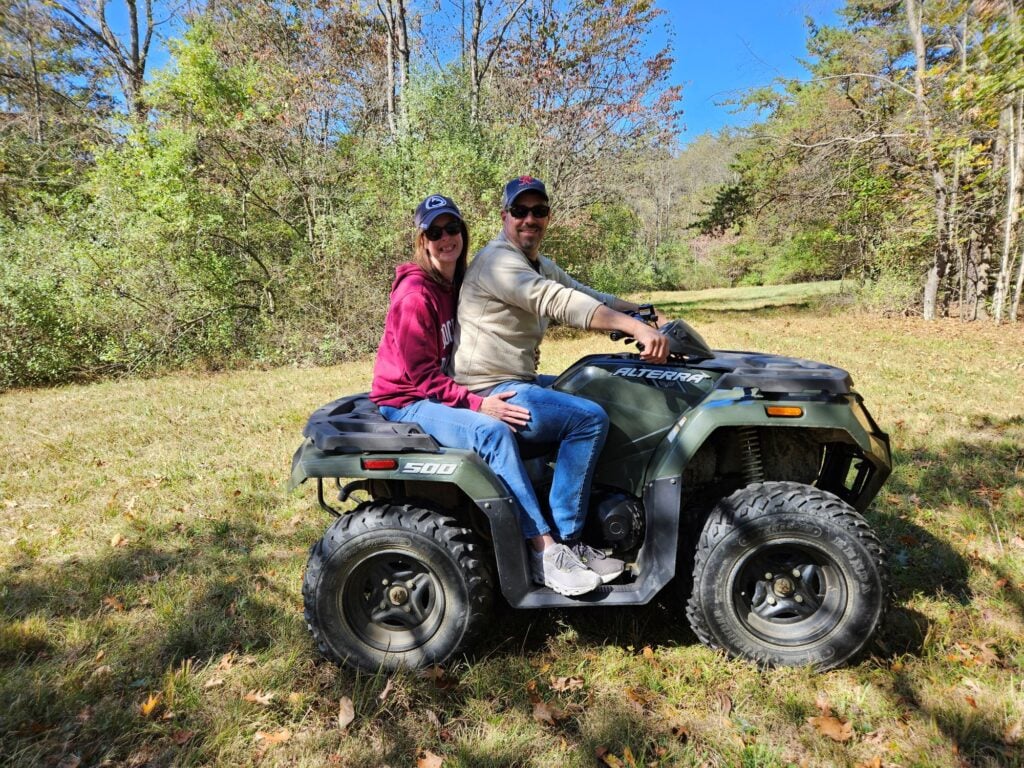
Last fall, a job posting landed on Jason’s desk — a Boeing facility neither of us even knew existed, in Southwestern Pennsylvania. It checked boxes we’d almost stopped believing we could check — outdoor life, lower cost of living. And moving closer to my family in Pennsylvania? That was something I hadn’t even let myself hope for.
And just like that, the where answered itself.
We didn’t look back.
But we’re grateful for every single thing Washington gave us — even the hard parts. Maybe especially those.
